When Supply Chains Break Down, Energy Bills Break the Budget
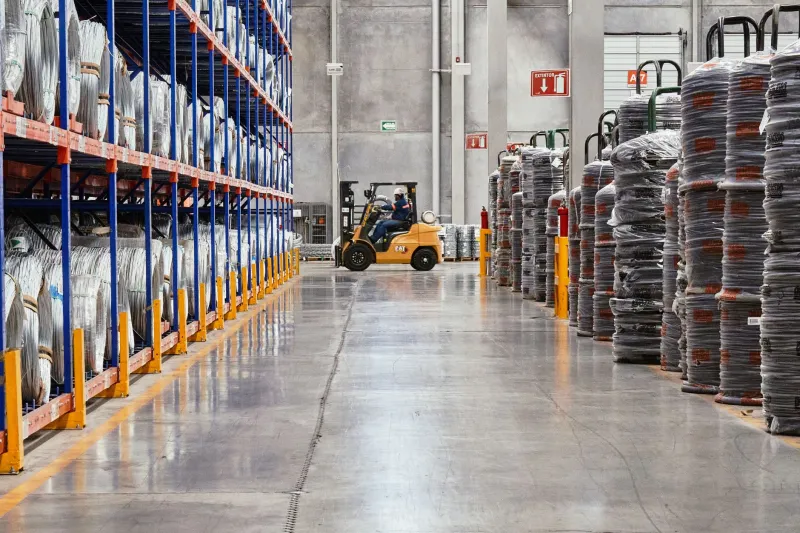
For most manufacturers, the headline cost of supply chain disruption is measured in delayed deliveries, expedited freight charges, and lost production hours. What rarely makes it into the post-mortem analysis is the energy bill—and for facilities operating at industrial scale, that oversight can be costly.
Over the past several years, US manufacturers have experienced supply chain volatility at a frequency and severity that few contingency plans anticipated. From semiconductor shortages that stalled automotive assembly lines to raw material delays that forced chemical processors to run partial batches, the operational ripple effects have been well documented. The energy implications, however, have received far less attention.
The Mechanics of Energy Waste During Disruption
Understanding why supply chain disruptions inflate energy costs requires a closer look at how industrial energy consumption actually behaves under stress.
Manufacturing facilities are engineered for predictable throughput. HVAC systems, compressed air networks, lighting schedules, and process heating equipment are all calibrated around anticipated production volumes and shift patterns. When a parts shortage forces an unplanned production halt, that calibration breaks down. Equipment that should be powered down during idle periods often remains energized—either because operators expect a quick restart or because proper shutdown procedures are time-consuming and operationally risky.
Conversely, when delayed materials finally arrive in bulk, facilities frequently respond with surge production: extended shifts, additional equipment activation, and compressed timelines that push energy consumption well above baseline. This feast-or-famine cycle is particularly damaging from an energy standpoint because it undermines the load-leveling strategies that underpin most efficiency programs.
Demand charge structures compound the problem. Under most commercial and industrial utility rate schedules in the United States, a significant portion of the monthly energy bill is determined not by total consumption but by peak demand—the highest 15- or 30-minute interval of power draw recorded during the billing period. A single surge production event, triggered by the belated arrival of a critical component, can set a demand charge ceiling that affects costs for the entire month.
Case Evidence from US Manufacturing Floors
A mid-sized automotive parts supplier in the Midwest experienced this dynamic firsthand during the 2021 semiconductor shortage. With chip availability unpredictable, the facility cycled through extended idle periods followed by intensive catch-up runs. An internal energy audit conducted afterward revealed that demand charges had increased by approximately 22 percent over the prior year—despite total kilowatt-hour consumption remaining relatively flat. The culprit was the irregular production rhythm, which repeatedly triggered peak demand events that a steadier schedule would have avoided.
A food processing operation in the Southeast encountered a different but equally instructive challenge. Disruptions to its packaging materials supply forced the plant to repeatedly start, stop, and restart refrigeration systems as production schedules shifted. Each restart cycle consumed substantially more energy than continuous operation would have, and the thermal instability introduced quality control complications that required additional processing runs—further amplifying energy use.
These examples are not exceptional. They reflect a pattern that energy consultants across the country have observed with increasing frequency as supply chain unpredictability has become a structural feature of the industrial landscape rather than a temporary anomaly.
Energy Management Strategies Built for Uncertainty
The logical response to supply chain-driven energy volatility is not simply to wait for supply chains to stabilize—there is little evidence that the underlying conditions driving disruption are going away. Instead, forward-thinking manufacturers are building energy management frameworks that accommodate operational variability rather than assuming stability.
Demand Response Enrollment Enrolling in utility demand response programs allows facilities to receive financial incentives for voluntarily curtailing load during grid stress events. More relevantly for supply chain contexts, the disciplines required to participate in demand response—real-time monitoring, rapid load-shedding protocols, and pre-identified curtailable loads—translate directly into better energy control during unplanned production disruptions.
Submetering and Real-Time Visibility Many facilities still operate with a single utility meter and monthly billing statements as their primary energy feedback mechanism. That level of granularity is inadequate for managing energy in a volatile production environment. Submetering individual production lines, HVAC zones, and compressed air systems provides the visibility needed to make informed decisions about what to power down during disruptions and how to sequence restarts to avoid demand spikes.
Automated Shutdown Protocols Human operators under production pressure are not reliable guardians of energy efficiency. Automated systems that trigger equipment shutdowns after defined idle thresholds—and that require deliberate, sequenced activation to restart—remove the ambiguity that leads to unnecessary standby consumption.
Energy Procurement Flexibility For facilities with the purchasing sophistication to engage in energy procurement strategy, supply chain disruptions argue for contractual structures that provide some protection against the cost consequences of demand volatility. Fixed-price contracts, for example, can limit exposure to spot market price spikes that sometimes coincide with periods when production surges are driving elevated consumption.
The Broader Operational Case
Energy management during supply chain disruption is not solely a cost issue. For manufacturers with sustainability commitments—whether driven by corporate policy, customer requirements, or regulatory anticipation—uncontrolled energy spikes during disruption events can undermine emissions reduction targets and complicate reporting.
There is also a competitiveness dimension. Manufacturers that develop robust energy management capabilities tend to operate with lower and more predictable energy costs over time, which translates into margin stability that is increasingly valuable in an environment where so many other cost inputs are volatile.
At Changfeng Energy, we work with industrial clients across the United States to develop energy management programs that are built for operational reality—not idealized production conditions. The manufacturers who emerge from periods of supply chain volatility in the strongest competitive position are invariably those who treated energy management as a strategic function rather than a facilities afterthought.
Supply chains will continue to be tested. The question is whether your energy program is designed to absorb that stress—or amplify it.